If your toddler now screams, runs away, or shouts “no” every time you mention the potty, please take a deep breath. You have not ruined anything, and your child is not being naughty. I have been through this stage myself, and I know how frustrating it feels when the washing pile keeps growing and relatives keep asking when your little one will be out of nappies.
Potty training refusal is very common. It is often a sign that something needs to change — the timing, the pace, or how ready your child really is — not that you need to push harder. Pushing usually makes refusal stronger. The good news is that you can pause, reset, and start again more calmly, and most toddlers get there in their own time.
Quick Answer
If your toddler is refusing the potty, the kindest move is usually to pause for a few weeks, go back to nappies or pull-ups without fuss, and keep the potty around for relaxed practice. Restart only when you see signs of readiness, like staying dry for longer, showing interest in the toilet, or telling you they have done a wee or poo. Keep the restart small and positive: let your child choose the potty and underwear, praise effort rather than results, build short sits into your routine, and never punish, shame, or force sitting. If there is pain, constipation, blood, repeated infections, or great distress, speak to a doctor or health visitor.
Why Toddlers Refuse the Potty
Refusal is communication. Your toddler cannot yet say, “I feel scared,” or “This is too much,” so they show you with their behaviour. Understanding the reason helps you respond well.
They Are Simply Not Ready Yet
This is the most common reason. Potty training needs several skills together: body awareness, bladder and bowel control, language, memory, and pulling clothes up and down. Children develop these at very different speeds. A toddler who sat on the potty once as a game may not be ready for the real thing yet. That is not failure — just timing.
Fear of the Potty or the Flush
To a small child, a big toilet can look very big. The seat can feel wobbly and cold, the hole can look deep, and the flush can sound like a monster roaring. Some children worry they might fall in. Others had one painful poo and now link the potty with that sore feeling. A small, low, sturdy potty often feels safer at first.
Wanting Control
Toddlers are learning they are their own person. Their body is one of the few things they can truly control, so the potty can become a battleground for independence. This is the same stage where many parents see their toddler keeps saying no to everything, from shoes to sandwiches. The refusal is less about the potty and more about “I want to decide.” Small, safe choices often soften it.
Bad Timing and Big Life Changes
Even a ready child can refuse if life feels unsettled. A new baby, a house move, starting nursery, illness, or travel can send progress backwards for a while. An unsure toddler may cling to nappies because they are familiar and comforting. If your little one is also showing signs of being jealous of a new baby, wait until home feels calm again before you restart.
Constipation or Withholding
Sometimes refusal is physical. If pooing hurts, a child will try hard not to poo. They may cross their legs, hide, dance around, or insist on a nappy for a poo. Withholding makes the next stool bigger and harder, which hurts more, and the cycle continues. If this sounds familiar, learn the signs of baby and toddler constipation and deal with that first, because training rarely goes well while pooing hurts.
Signs Your Toddler Is Ready to Try Again
There is no perfect age, and comparing your child with others rarely helps. Watch for a group of these signs together, on most days:
- Stays dry for one to two hours, or sometimes wakes dry from a nap
- Hides or goes to a quiet corner to poop, showing they know it is coming
- Tells you, in words or gestures, that they have done a wee or poo, or need to go
- Shows interest in the toilet, watches others, or wants to copy and flush
- Can pull pants down and up with a little help, and follow simple instructions
- Dislikes feeling wet or dirty and asks to be changed
- Can sit happily for a few minutes with a book or toy
You do not need every sign. If you see most of them most days, and home is fairly calm, try again gently. If you only see one or two, waiting will probably save you both stress.
How to Pause and Restart Without Pressure
Step Back to Nappies Calmly
A pause is not going backwards. Say something warm and simple, like, “We are taking a break from the potty. Nappies are fine.” Then mean it — no sighing, no disappointed faces, no potty talk for a while. Two to four weeks is a common break, but follow your child, not the calendar. After a proper rest, many children ask for the potty themselves.
Rebuild Positive Associations
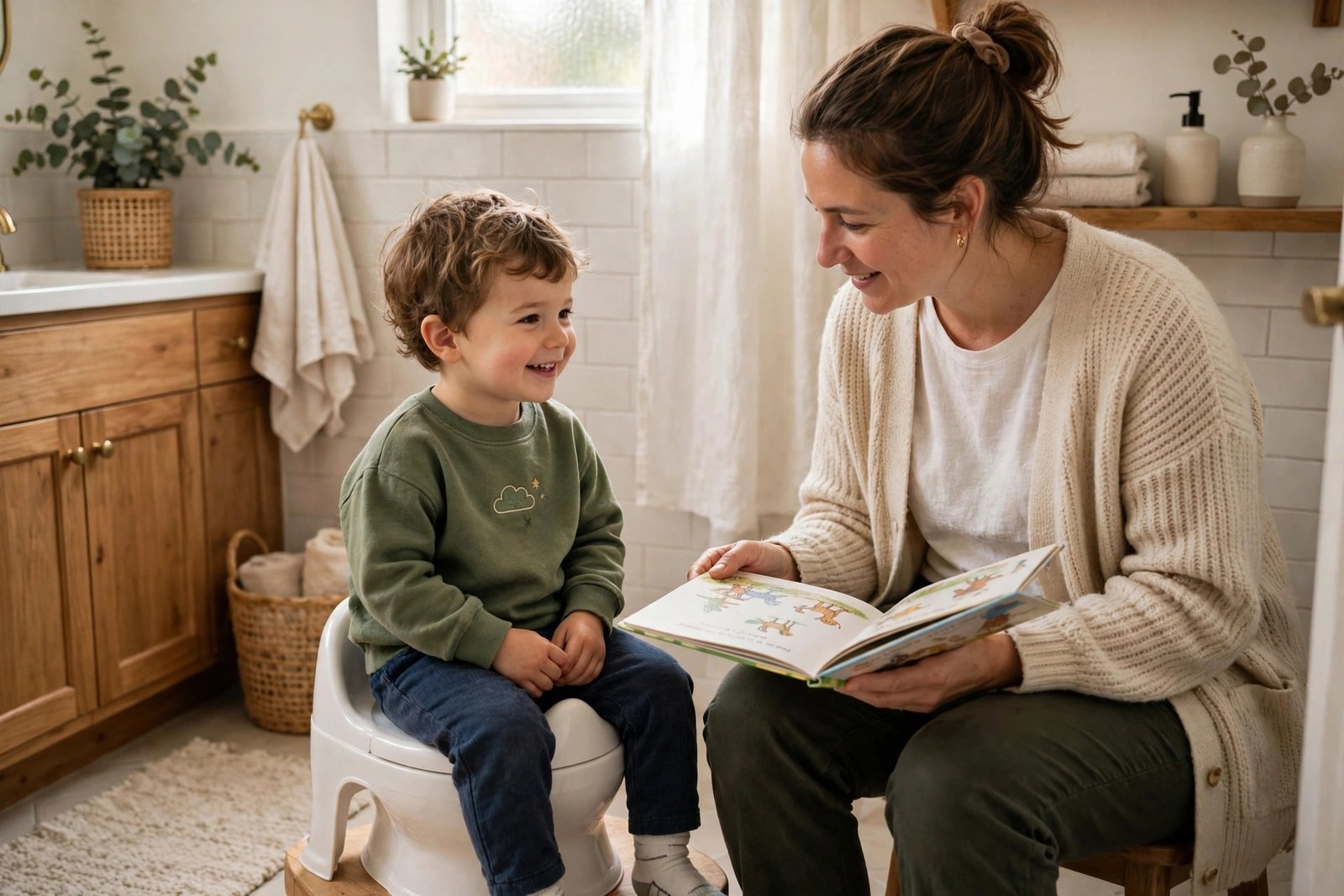
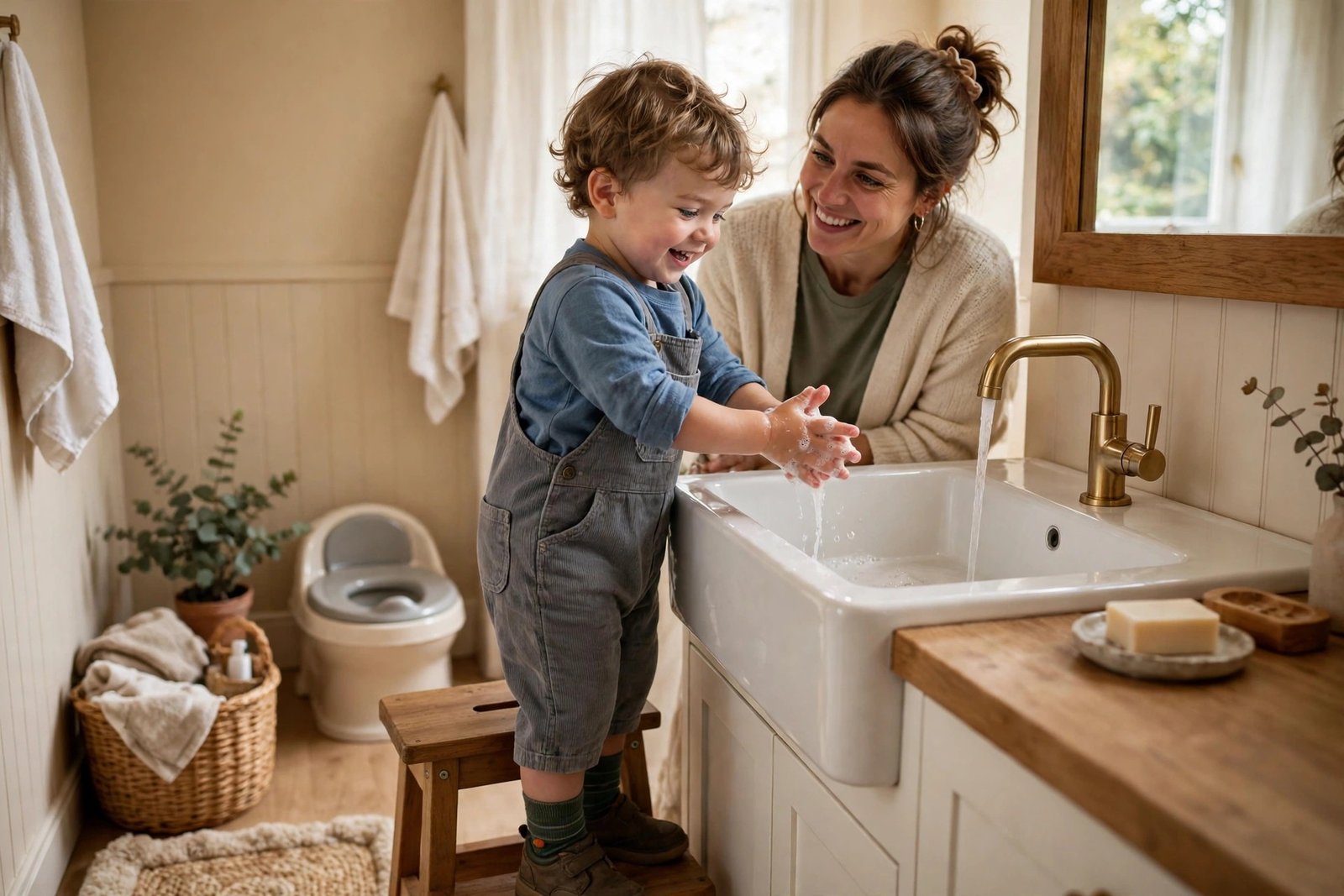
During the pause, keep the potty visible but boringly normal. Let your child sit on it fully clothed, put a teddy on it, or read a funny potty story together with no expectation. The goal is for the potty to feel safe again, not like a test. If your child wants to flush for you or wash hands like a big kid, welcome it.
Let Your Toddler Choose
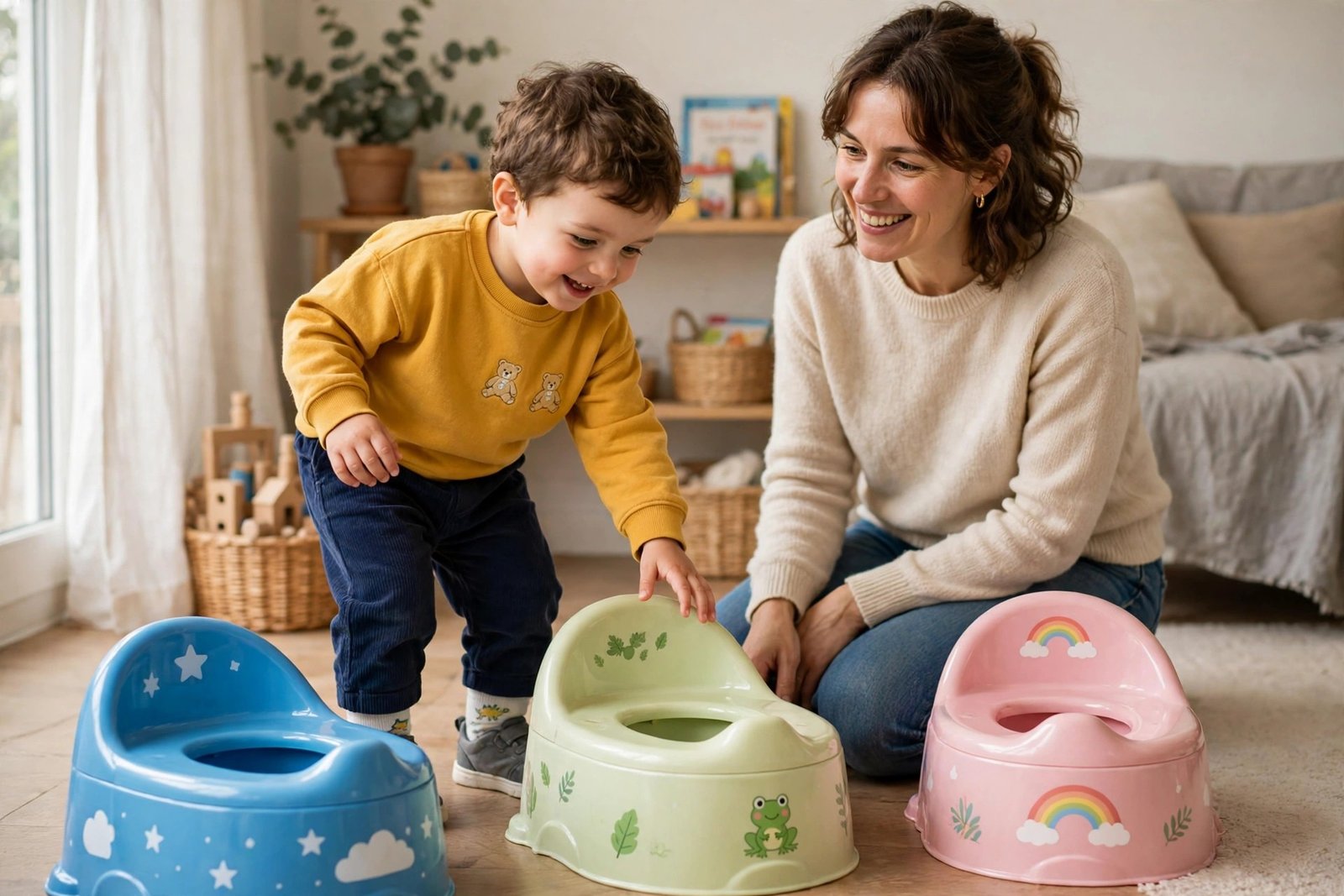
Choice is your best friend here. Let your child pick the potty colour, choose between two pairs of fun underwear, or decide potty or toilet seat today. Small choices give back control, so there is less need to fight for it. Keep spare clothes where they can reach them, too.
Take Small Steps and Praise Effort, Not Results
Restart with tiny, easy wins. Sitting fully clothed counts. Sitting for a story counts. A wee is a bonus, not the only success. Praise effort specifically: “You sat on your potty and tried — well done.” Warm praise builds confidence. A sticker chart motivates some children; others prefer praise alone. Trying should feel good, never scary.
A Practical Restart Routine
When you restart, a simple routine helps your toddler know what to expect:
- Pick a calm few days at home, with no big trips or changes planned
- Start by letting your child choose their underwear; keep a potty where they play most
- Offer short sits at natural moments: after waking, after meals, before a bath, before going out
- Keep sits to two to five minutes, with a book or song; if nothing happens, smile and move on
- Use easy clothes your child can pull down quickly, like trousers with elastic waists
- Expect accidents; keep spare clothes nearby and clear up calmly, without blame
- End each day with encouragement for trying
Keep it light for the first week. If sits go well, slowly offer the potty in other places, like nursery or grandparents’ houses, using the same calm words. Share the plan with anyone who looks after your child — consistency helps.
Mistakes to Avoid
- Starting again too soon, before readiness signs are really there
- Forcing your child to sit, holding them there, or using sitting as a punishment
- Punishing or shaming your child for accidents or wet clothes
- Comparing your child with siblings or friends who trained earlier
- Asking every ten minutes if they need a wee, which creates pressure
- Switching between nappies and underwear many times a day, which can confuse a toddler
- Starting in a stressful week, like a house move or the first week of nursery
If you recognise yourself here, do not feel guilty. Most of us have tried one of these on a tired day. The pattern matters, not one bad afternoon.
When to Ask for Extra Help
Most refusal is a normal phase that passes with time and patience. Sometimes, though, extra support is wise. Speak to a doctor or health visitor if you notice:
- Pain, crying, or straining when weeing or pooping
- Stool withholding together with hard, dry stools or ongoing constipation
- Repeated urinary infections, or weeing very often or hardly at all
- Blood in the urine or stool, even a small amount
- No progress after gentle, repeated tries, and your child seems truly distressed
- Wider worries about development, communication, or understanding
Asking for help is not overreacting. A clinician can check for constipation or infection, and suggest next steps. Trust your instincts — if something feels wrong, it is worth a conversation.
Frequently Asked Questions
How long should we pause potty training after a refusal?
For many families, two to four weeks works well. Go back to nappies calmly, keep the potty around for relaxed play and stories, and watch for readiness signs. If your child asks sooner, restart sooner. If refusal returns straight away, a longer break may be kinder.
Should I use pull-ups or go straight back to nappies during a break?
Either can work. Some toddlers find nappies clearer during a full pause — the message is simple: we are resting. Others prefer pull-ups because they can practise pulling them up and down. Choose whichever keeps things calm, and stay consistent during the break.
My toddler will wee on the potty but only poo in a nappy. Is that normal?
Yes, this is very common, and often lasts longer than parents expect. Many children feel safer pooing in a nappy, and some worry about letting go on the potty. Stay patient, let them have the nappy without shame, and keep offering the potty gently. If poos are hard or painful, treat possible constipation first.
What if grandparents or nursery are putting pressure on us to train?
You are not alone, and it can feel hard. A calm explanation usually helps: your child showed refusal, you are taking a short break, and you will restart when they are ready, with the same routine everywhere. Sharing the plan helps your child hear one kind, consistent message.
I am a mum sharing experience and general information, not a medical professional, and this article is not medical advice. For full details, please read our disclaimer. If you are worried about your child’s health or development, speak to a qualified health professional who knows your child.