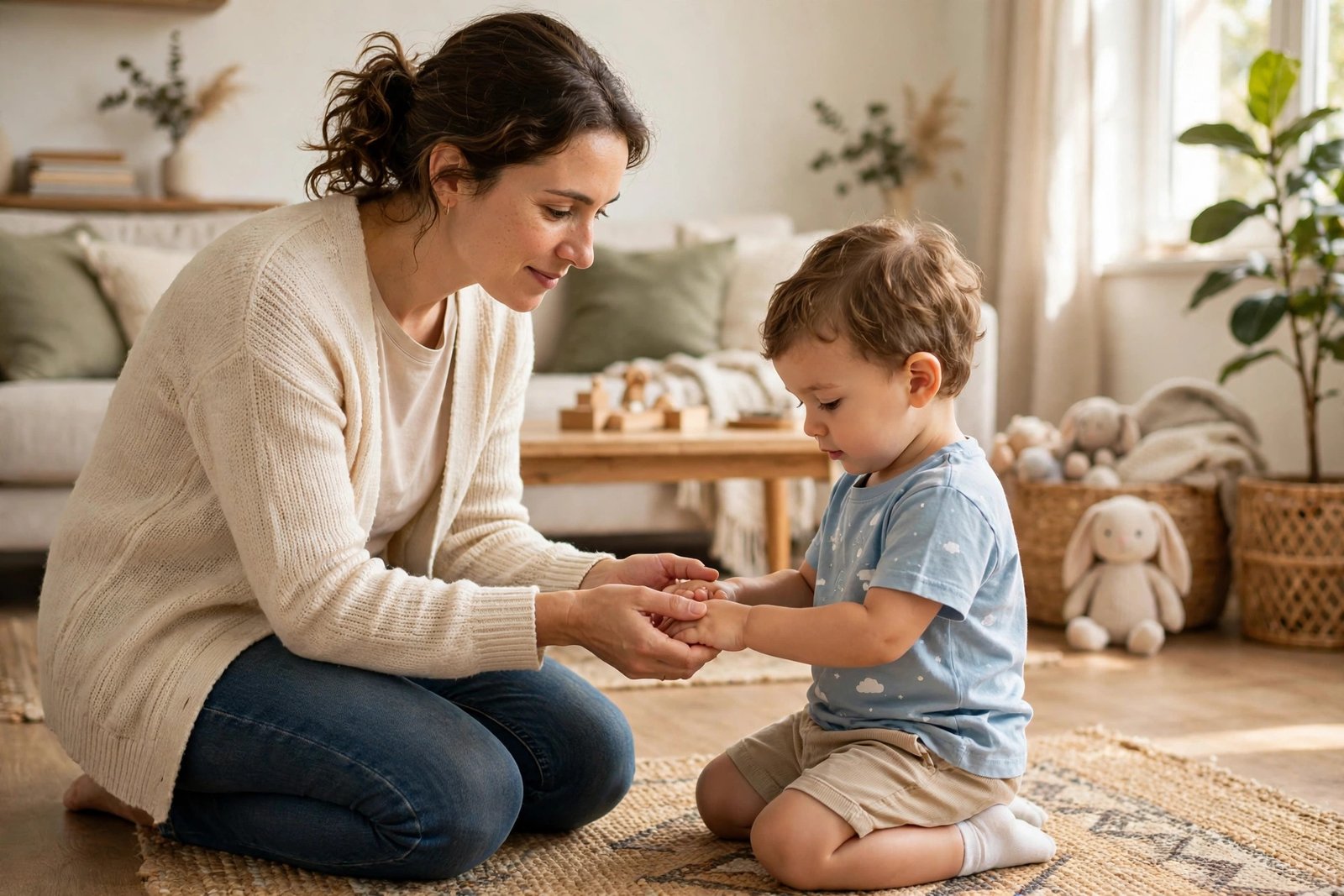
It can feel awful when your toddler hits or bites another child. Your face goes hot, you say sorry again and again, and you worry what the other parent is thinking. I have been in that spot at playgroups, with my little one in my arms and another child crying, and I know how upsetting it feels.
Please hear this first, from one mum to another: hitting and biting are very common in the toddler years. They do not mean you are a bad parent, and they do not mean your child is a bad child. Most toddlers do it at some point, then slowly grow out of it as they learn words, patience, and kinder ways to cope.
Here I will explain why it happens, what to do in the moment, and what to teach over time. Calm, steady responses really do help.
Quick Answer
Toddlers usually hit or bite because they feel frustrated, tired, hungry, overwhelmed, or sore from teething, and they do not yet have the words or self-control to cope another way. In the moment, stay calm, gently block the hit or bite, comfort the hurt child first, and use short, firm words like, “Biting hurts. I won’t let you bite.” Then move your child away briefly. Over time, teach gentle hands, name feelings, and show your toddler words and signs to use instead.
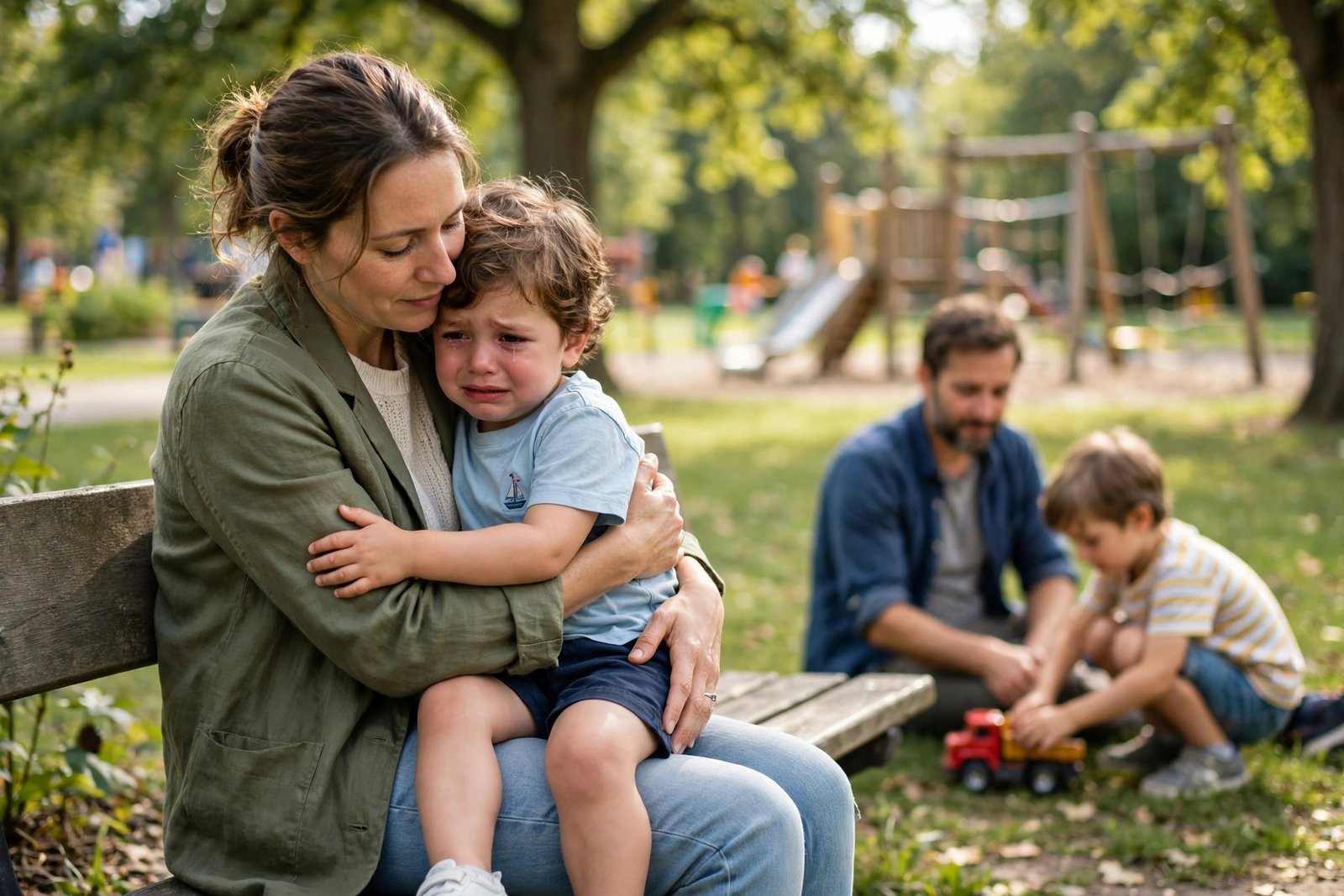
Why Toddlers Hit and Bite
Understanding the reason makes it easier to stay calm. Your toddler is not being cruel. Big feelings often come out through hands and mouths before they can come out in words.
Limited Language and Frustration
This is the biggest reason I saw at home. Your toddler knows what they want, but cannot explain it yet. When words will not come, frustration builds fast, and a hit or bite can happen in a second.
Teething and a Sore Mouth
Biting is often linked to sore gums. Chewing can feel good when teeth are pushing through. If biting gets worse, check for new teeth and drooling. You can read more in my guide to teething pain and how to soothe it.
Tiredness and Hunger
A tired or hungry toddler has a much shorter fuse. Missed naps and the time before lunch are classic biting times. A snack, water, or a quiet cuddle can sometimes stop the next incident.
Too Much Noise and Busyness
Busy rooms, loud music, and lots of children can be too much. Some toddlers hit out when they feel crowded and need space. This is similar to what happens during toddler tantrums in public places, where everything simply feels too big to handle.
Copying What They See
Toddlers copy everything. If they see hitting in a cartoon, watch rough play, or get bitten at nursery, they may try it themselves to see what happens.
Wanting a Toy or Your Attention
Sometimes a hit means, “I want that,” or “Look at me.” Sharing is still very new, and a wanted toy can feel like an emergency. My article on what to do when your toddler won’t share toys has gentle ideas that work well alongside this one.
Still-Developing Impulse Control and Empathy
Toddlers act first and think later because the part of the brain that helps them pause is still developing. Empathy is growing too, and your child may not yet understand that a bite hurts another child. They learn this slowly, with your help.
What to Do in the Moment
Try to follow the same simple steps each time. A steady routine helps your toddler learn faster, and helps you feel calmer too.
- Stay calm. Take a slow breath before you speak. Your calm voice helps both children settle.
- Block gently. Step in quickly and gently hold the hand, or move between the children, so it cannot happen again.
- Comfort the hurt child first. Check they are okay and give them a cuddle or find their parent. This also means biting does not win your toddler lots of attention.
- Use short, firm, simple words. Say, “Biting hurts. I won’t let you bite,” or, “Hitting hurts. Hands are not for hitting.” Keep it brief, because long talks do not sink in when feelings are high.
- Move your child away briefly. Take them to a quieter spot for a minute or two, stay nearby, and let everyone calm down. This is a pause to reset, not a punishment, and there is no shaming.
Once everyone is calm, “Let’s check Sam is okay,” helps your toddler notice the other child.
Teaching Gentle Behaviour Over Time
Real change happens between incidents, in calm everyday moments. Short practice, repeated often, teaches more than a long talk.
Practise Gentle Hands
Show your toddler how to stroke a soft toy or place their hand softly on your arm. Praise them warmly when they do it: “What gentle hands! That feels kind.” Catch them being gentle as often as you can.
Name Feelings for Them
Put words to what you see during the day. “You feel cross because the tower fell down.” “You are sad because playtime ended.” When children hear feeling words often, they slowly start to use them instead of their hands.
Teach Words and Signs to Use Instead
Give your toddler a small set of helpful words and practise them when things are calm: “mine,” “my turn,” “help,” “stop,” and “all done.” Simple signs or gestures can help too, like holding up a hand for stop.
Read Books About Feelings
Picture books about feelings and gentle hands are a lovely way to learn. Read them at bedtime, look at the faces together, and talk about how the characters feel.
Playdates and Nursery Days
Many parents dread playdates or nursery pick-up. With a bit of planning, these times feel much more manageable.
- Supervise closely. Stay near your toddler in group settings so you can step in early, before frustration builds.
- Watch for triggers. Does it happen when they are tired, when a favourite toy appears, or when the room gets very busy? Patterns give you clues.
- Keep groups small and visits short. One or two friends for an hour is often kinder for everyone than a big, long party.
- Talk with nursery staff. Tell them what you are doing at home and ask what they see. Using the same short words and calm steps in both places helps your child learn faster.
- Shadow when tired. On tired days, stay extra close, like a gentle shadow. Guide your child to a quieter game, offer a snack, or head home a little early.
Put away very special toys before friends arrive. Fewer battles means an easier playdate.
Looking After Little Teethers
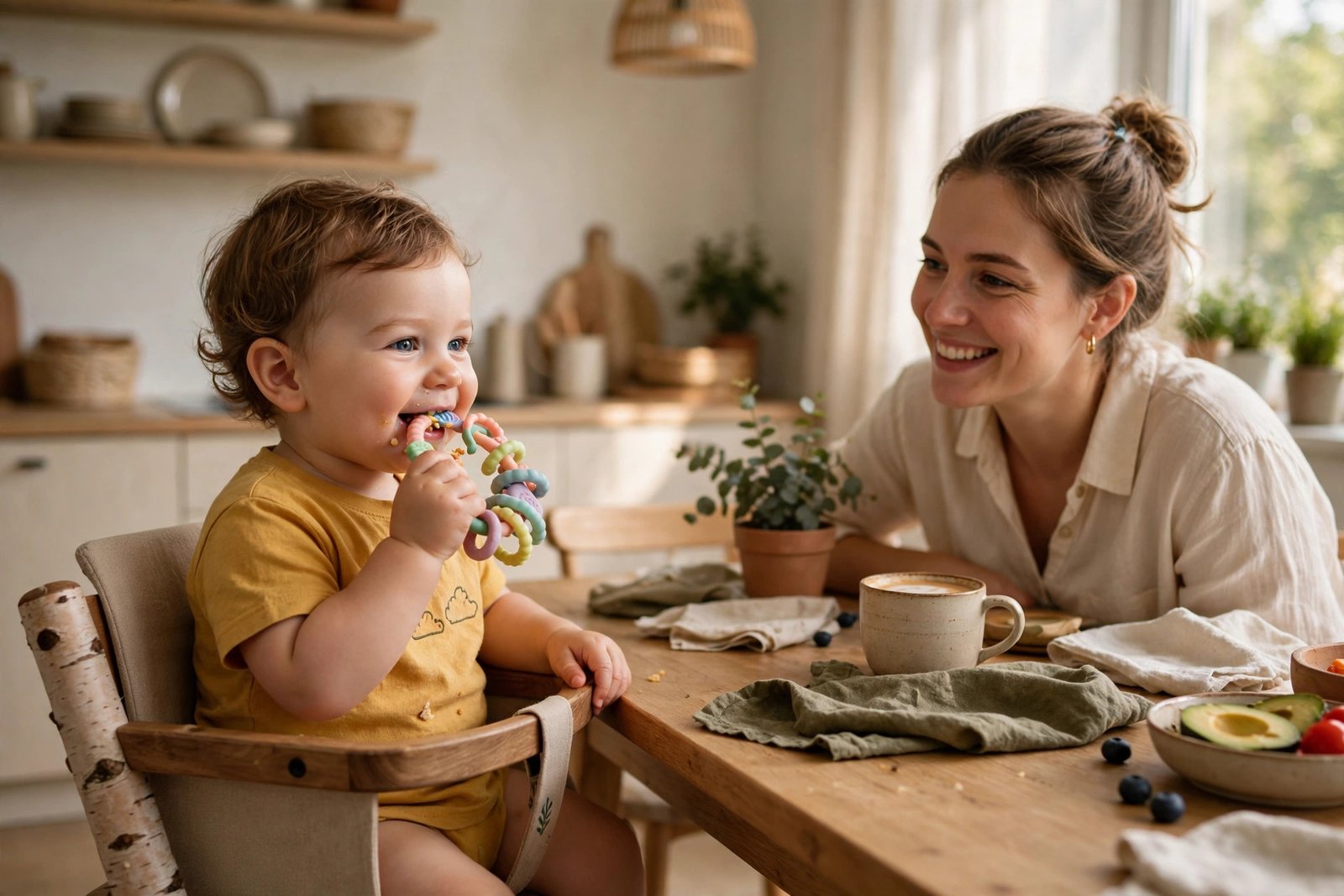
If biting seems linked to teething, meet that chewing need safely. Offer a teething ring or a clean, cold cloth to chew instead, and keep one in your bag. A chilled teether can be very soothing on sore gums.
When your toddler starts chewing sleeves or toys, offer the teether and say, “You can bite this.” Praise them when they use it. Over time, many learn to reach for it instead of biting a friend.
Mistakes to Avoid
These mistakes are easy to make when you feel stressed. Knowing them helps you choose a calmer path.
- Biting or hitting the child back “to show how it feels.” This only teaches that big people can hurt small people, and it often makes the behaviour worse.
- Shouting. A loud, angry voice can frighten your toddler and flood them with more big feelings, so learning stops.
- Shaming your child, or labelling them aggressive or naughty. Labels stick, and children start to believe them. Talk about the action, not the child.
- Forcing apologies. A forced “sorry” is just a word with no feeling behind it. It is better to help your child check the hurt child is okay.
- Any physical punishment. It does not teach kindness. It teaches fear, and it models the very hitting you are trying to stop.
When to Ask for Extra Help
Most hitting and biting fades as language grows. Sometimes extra support is a good idea. Ask for help if you notice:
- Aggression that does not ease over time, even with calm, consistent responses.
- Frequent biting that breaks the skin.
- Hurting others many times a day, most days, despite your steady help.
- Speech or language delay, such as very few words or trouble making their needs understood.
- Any worries at all about your child’s development.
Your health visitor or doctor is a good first person to talk to. Asking is not a failure; it gets you both support sooner.
Frequently Asked Questions
Is it normal for my toddler to bite other children?
Yes, it is very common, especially between one and three years old. Most toddlers do it because they have big feelings, few words, and little impulse control. It usually fades as language and empathy grow.
How long does the biting phase usually last?
For many children it lasts a few weeks or months, and improves once they can say what they need. It may flare up during teething or big changes like starting nursery, then settle again.
Should I stop playdates if my toddler keeps hitting?
No. Try shorter visits with fewer children, stay close, and choose calm settings. Playdates are good practice for gentle play when you are nearby to step in early.
What should I say to the other child’s parent?
A simple, kind apology goes a long way: “I’m so sorry he bit her. We are working on it, and I will stay close today.” Most parents understand, as many have been through the same phase.
This article shares my own experience as a mum and general information only, and it is not medical or professional advice. If you are worried about your child, please speak to your health visitor or doctor. You can read my full disclaimer here.